What chemicals are in your clothes?
Materials
Article
There is no ingredient list on a garment. Not on the inside label, not on the brand's website, not in any regulatory database you can search. The care label tells you the fibre content and how to wash it. That is the extent of what the law requires.
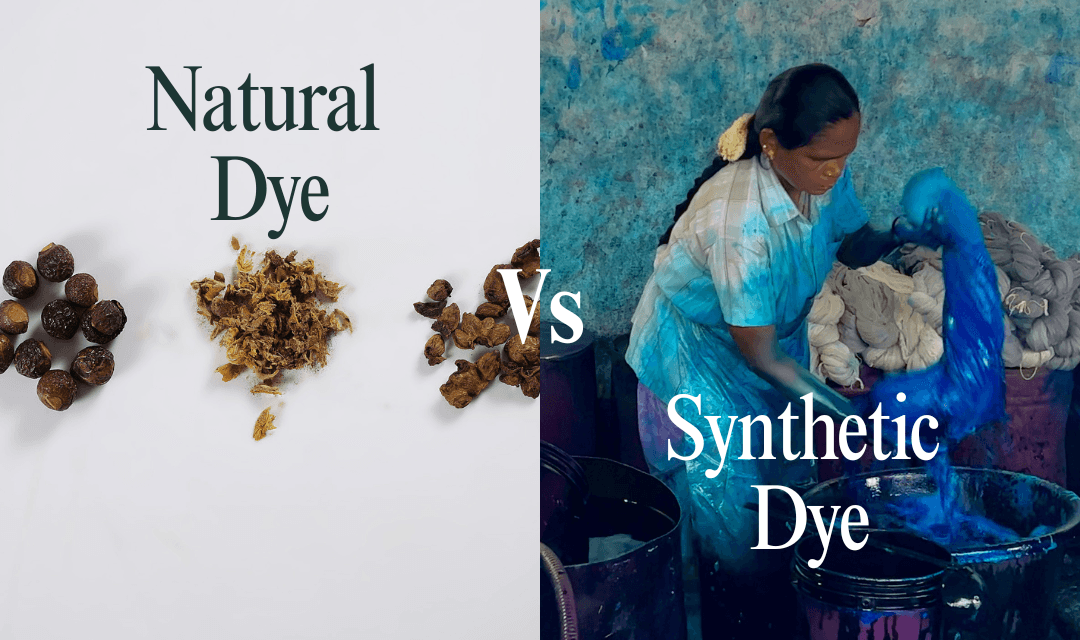
A standard cotton garment passes through dozens of chemical processes between the farm and your wardrobe. The cotton is likely bleached. The yarn is likely sized with synthetic agents to strengthen it for industrial weaving. The fabric is scoured, dyed with reactive or azo-based dyes, and then finished. Finishing is where the list gets long. Softening agents, wrinkle-resistant resins, optical brighteners, antimicrobial treatments, water-repellent PFAS-based coatings that don’t get washed away. Each of these serves a functional purpose and none of them are disclosed.
Over 30,000 synthetic chemicals are used across textile manufacturing globally. The majority are never named on a label, a product page, or a brand's website, and there is no legal requirement to do so.
This matters for a straightforward reason. Skin is permeable. Chemicals in close, prolonged contact with skin transfer through it, particularly in warm areas and friction zones. Synthetic dye residues, formaldehyde from wrinkle treatments, and PFAS compounds have all been detected in human tissue in peer-reviewed studies. The exposure from a single garment is low. The exposure from a wardrobe full of them, worn daily over years, is not nothing.
An ingredient list. Every material disclosed, transparent process, every component accounted for. The same standard that food labelling has operated on for decades.
At alltheway, every garment has one. Organic cotton fabric, organic cotton thread, plant-based dye, natural shell button, no finishing treatments. That is the complete list for every shirt we make. If something is in the garment, it is on the page.
We do this because we believe you have a right to know what is in your clothes. And hopefully the industry will eventually be required to do this. We would rather it be standard practice than a differentiator.
Until then, it is a differentiator.
© 2026 alltheway. All Rights Reserved