You know what you eat. You have no idea what you're wearing.
Materials
Article
Most people know what they eat. Almost nobody knows what they wear. That's because clothes don't come with ingredient lists.
Look inside your favourite shirt and you'll find information about fibre content and washing instructions. That's all the law requires.
What you won't find is a list of the chemicals used to make that garment.
Before cotton becomes a shirt, it passes through multiple stages of industrial processing.
The cotton may be bleached. The yarn is often treated with synthetic sizing agents. The fabric is scoured, dyed, and finished before it ever reaches a store.
Finishing is where the list gets long:
- Softening agents
- Wrinkle-resistant resins
- Optical brighteners
- Antimicrobial treatments
- Water-repellent coatings
- PFAS-based finishes
Each serves a purpose. Almost none are disclosed.
More than 30,000 synthetic chemicals are used across textile manufacturing globally.
The vast majority never appear on a garment label, product page, or brand website. In most cases, brands are not required to disclose them.
Skin is permeable.
Chemicals that remain in close contact with the skin can transfer through it, particularly in warm areas and places where friction occurs.
Researchers have detected synthetic dye residues, formaldehyde from wrinkle-resistant treatments, and PFAS compounds in human tissue. Exposure from a single garment may be low. Exposure from an entire wardrobe, worn daily over many years, is a different question.
What if clothing followed the same transparency standards as food?
An ingredient list.
Every material disclosed. Every component accounted for. Every process made visible.
Consumers shouldn't have to guess what they're putting against their skin.
At alltheway, every garment comes with a complete ingredient list.
For a typical shirt, that might look like:
- Organic cotton fabric
- Organic cotton thread
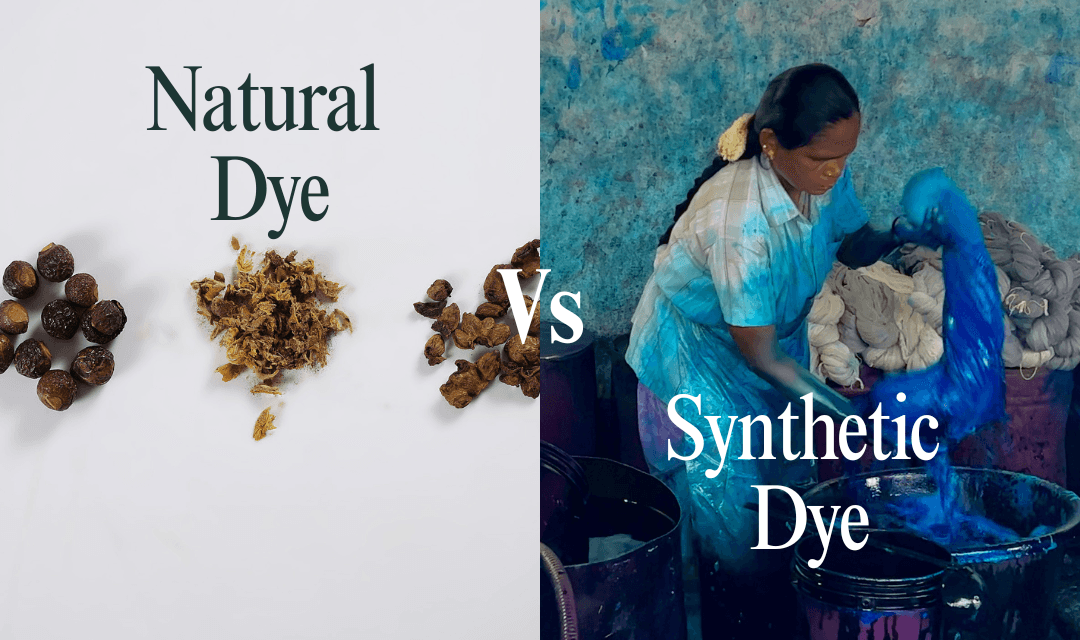
- Plant-based dye
- Natural shell buttons
That's the entire list.
No hidden finishing treatments. No undisclosed additives.
If it's in the garment, it's on the page.
We believe people have a right to know what is in their clothes.
Our goal isn't for ingredient disclosure to be a differentiator. Our goal is for it to become normal.
The clothing industry may eventually be required to offer this level of transparency.
Until then, it remains the exception.