Most people know what they eat. Almost nobody knows what they wear.
Materials
Article
Most brands can tell you what a garment is made from. Very few can tell you everything that went into making it.
A care label tells you the fibre content.
Sometimes it tells you where the garment was made.
What it doesn't tell you is how the fabric was dyed, what chemicals were used during finishing, what thread holds it together, or what treatments were added before it reached the shelf.
For most clothing, that information remains hidden.
The fashion industry relies on thousands of chemical inputs across fibre processing, dyeing, finishing, and manufacturing.
Unlike food and cosmetics, there is no requirement to provide consumers with a complete ingredient list.
As a result, most people have no way of knowing what is actually in the clothes they wear every day.
Many brands point to certifications when asked about chemical safety.
Standards such as:
- OEKO-TEX
- GOTS
- Bluesign
- Nordic Swan Ecolabel
play an important role in improving manufacturing practices and limiting harmful substances.
But certifications are not ingredient lists.
They tell you a garment meets a standard. They don't tell you every material, treatment, or process used to make it.
There's a meaningful difference between:
"Trust us, it passed a test."
and
"Here's everything that went into making it."
Most brands offer the first. Almost none offer the second.
At alltheway, every garment includes a complete ingredient disclosure.
We call it Know Your Shirt.
That means listing every major input across the production process, including:
- Organic cotton fabric
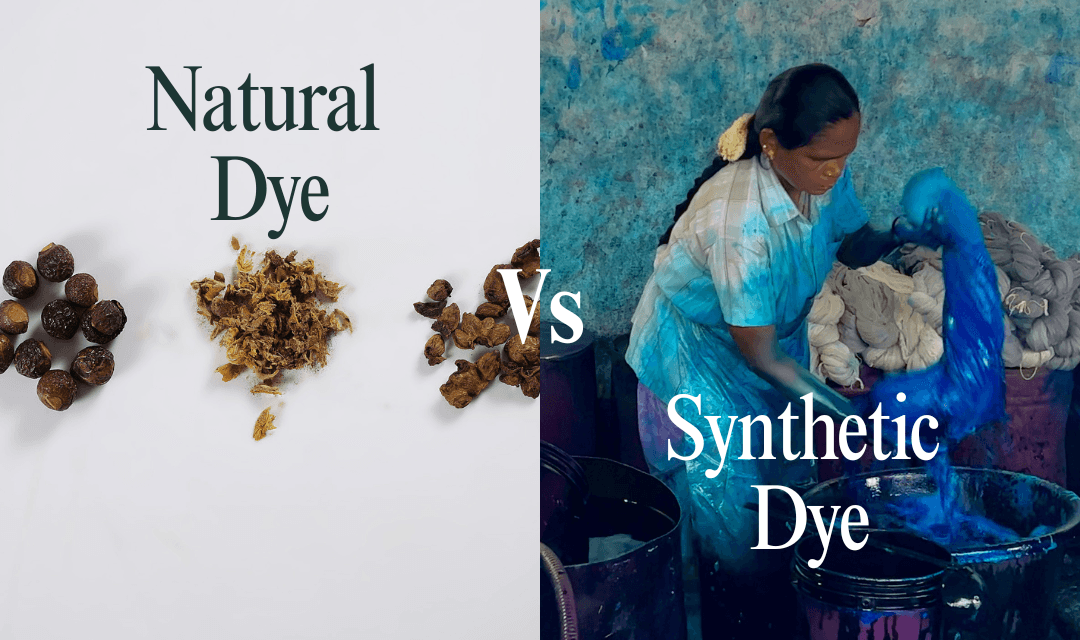
- Plant-based dyes
- Herbal mordant alternatives
- Organic cotton thread
- Natural shell buttons
- Finishing processes, if any are used
If it's part of the garment, it's disclosed.
Ingredient disclosure isn't something that gets added at the end.
It's the result of decisions made from the beginning.
Because our garments are designed to return safely to the soil at the end of their life, every input must be carefully considered. If every input can be traced, every input can be disclosed.
That requirement shapes the entire product.
Choosing natural inputs comes with constraints.
- Slower dyeing processes
- Fewer colour options
- Higher production costs
- Less reliance on chemical finishing
These aren't compromises we hide. They're decisions we make intentionally.
We would rather be transparent about the trade-offs than pretend they don't exist.
The reality is that many brands simply don't have complete visibility into their supply chains.
A garment may pass through multiple factories, suppliers, and countries before it reaches the customer. Information gets fragmented at every stage.
You can only disclose what you can trace.
And you can only trace what you can see.
Our entire supply chain operates within a small region of Tamil Nadu.
That proximity allows us to understand where materials come from, how they're processed, and what goes into every garment.
Without traceability, ingredient transparency becomes nearly impossible.
We're not interested in transparency as a marketing feature.
We believe it should be normal.
Like food packaging, clothing should tell people what it's made from and how it was made.
Until that becomes industry standard, we'll keep publishing what goes into every garment and encouraging customers to ask other brands why they don't.