
Most people know what they eat. Almost nobody knows what they wear.
Materials
Article
The fashion industry talks a lot about recycling. The numbers tell a different story.
Recent years have seen growing scrutiny of fashion's recycling claims.
Brands have faced investigations, fines, and criticism for overstating what happens to clothing collected through take-back programmes. In many cases, garments promoted as recyclable never make it back into new clothing.
The problem isn't execution.
It's design.
The majority of garments sold today are made from blended materials.
Common examples include:
- Cotton and polyester
- Nylon and spandex
- Viscose and elastane
These combinations improve performance and reduce cost.
They also make end-of-life recovery significantly more difficult.
Mechanical recycling works by shredding fabric back into fibre.
The process is most effective when garments are made from a single material. Blended fabrics are much harder to recover cleanly and often lose quality during processing.
As a result, many recycled textiles are downgraded into lower-value products such as insulation, padding, or industrial materials rather than becoming new garments.
Chemical recycling can theoretically separate mixed materials and recover usable fibres.
The challenge is cost.
The process remains expensive, energy intensive, and difficult to scale across the volume of clothing produced globally.
The technology exists. The economics are far less convincing.
A garment's end-of-life outcome is often decided long before it is worn.
When a product combines blended fabrics, synthetic dyes, polyester interlinings, and nylon thread, recovering those materials becomes increasingly complex.
The recycling challenge isn't created at disposal.
It's created during design.
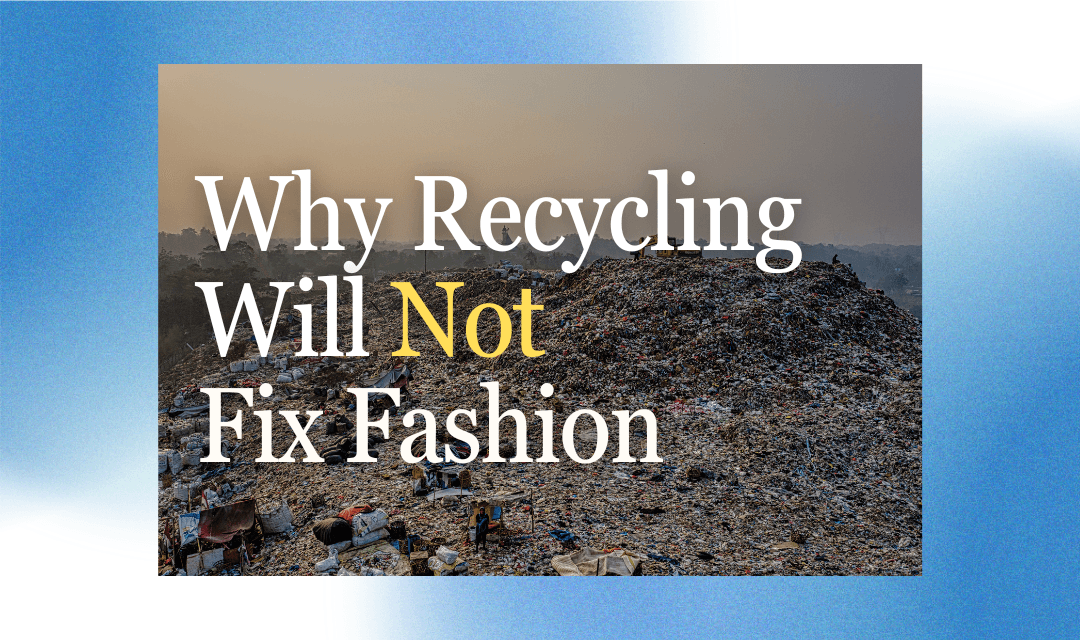
Despite years of industry investment and marketing, less than 1% of garments globally are recycled into new garments.
That figure highlights a reality the industry rarely discusses.
Recycling is currently the exception, not the system.
Instead of designing products that require complex recovery systems, another option is to design products that can safely return to nature.
A garment made entirely from natural materials can break down naturally at the end of its life without specialised infrastructure.
No chemical separation. No industrial processing. No material sorting facilities.
At alltheway, every shirt is designed using natural inputs from the beginning.
That includes:
- Organic cotton fabric
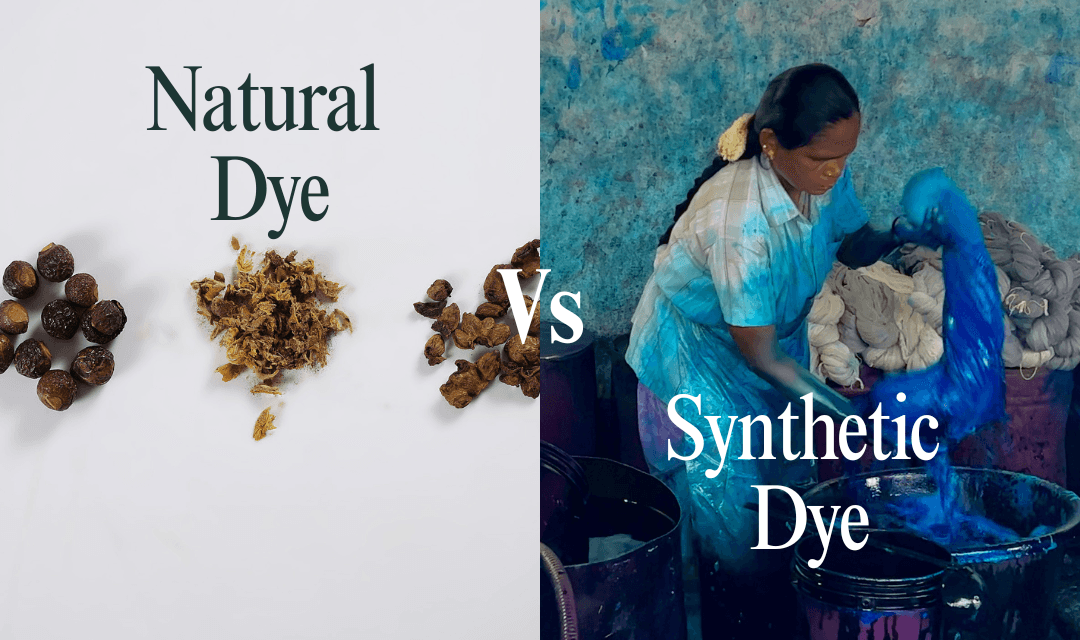
- Plant-based dyes
- Natural thread
- Natural trims
Because every component is biodegradable, the garment can safely return to the soil at the end of its life.
The end-of-life solution is built into the product itself.
Recycling is not a bad idea.
But treating recycling as the primary solution to fashion's waste problem misses a more important question.
What if products were designed differently from the start?
The most effective waste solution may not be finding better ways to recycle clothing after it's made.
It may be making clothing that never becomes waste in the first place.