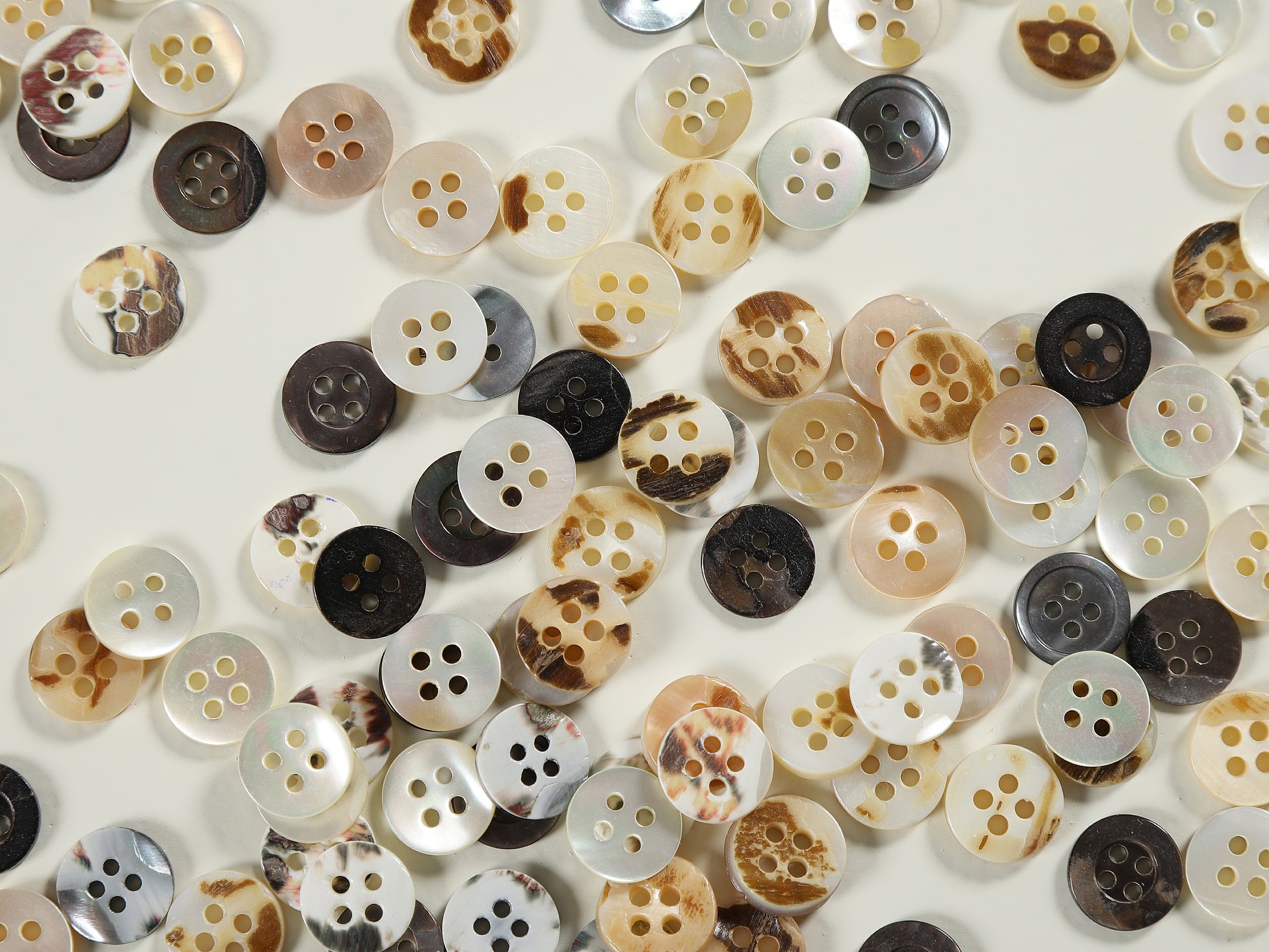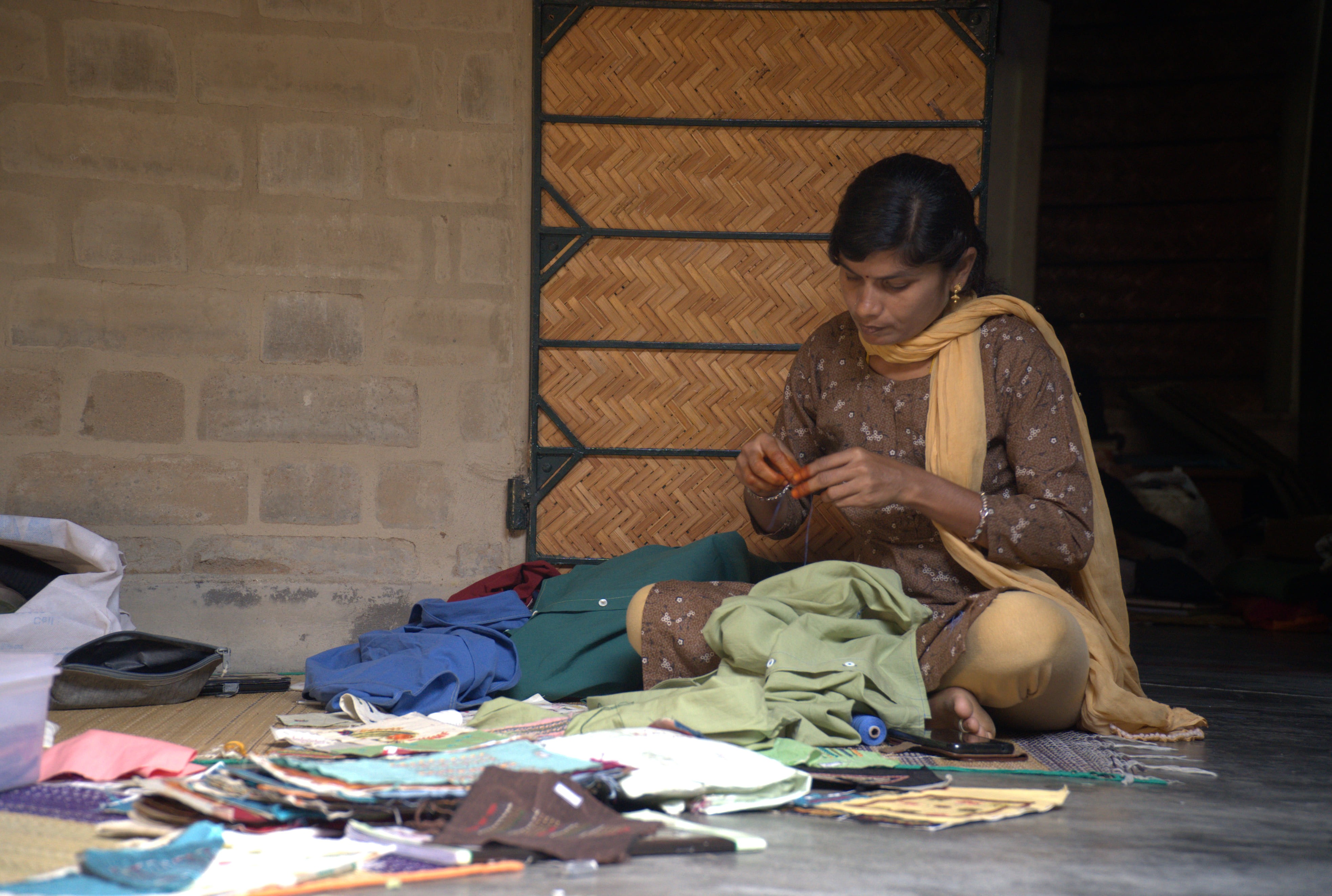
Fashion has a giant, uncomfortable elephant in the room: Nothing truly leaves the system. It just moves, from closet to bin, from bin to landfill, from landfill to soil, water, air.
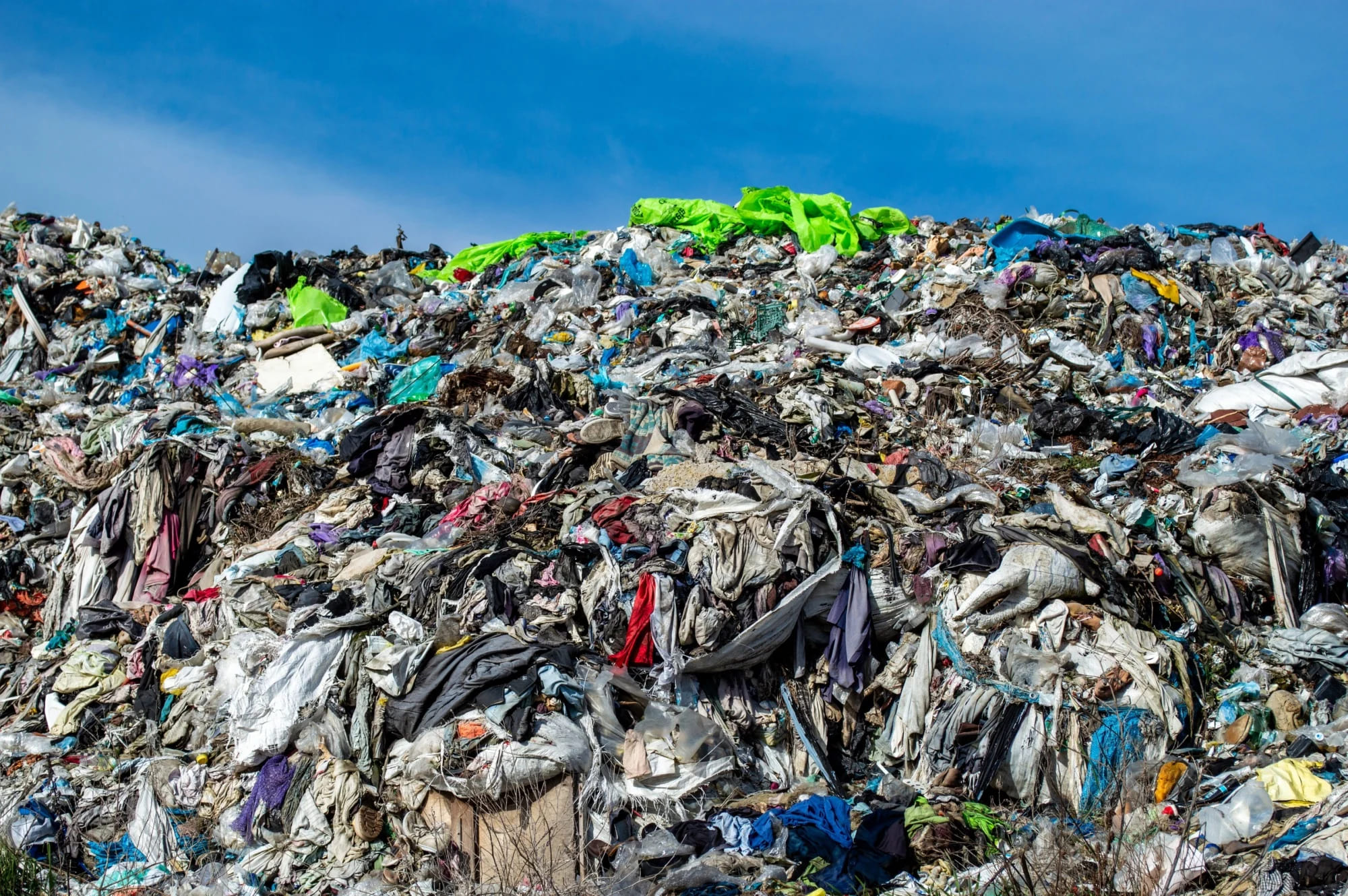
"EVERY YEAR, AT LEAST 40 MILLION TONNES OF TEXTILE WASTE IS DUMPED IN LANDFILLS."
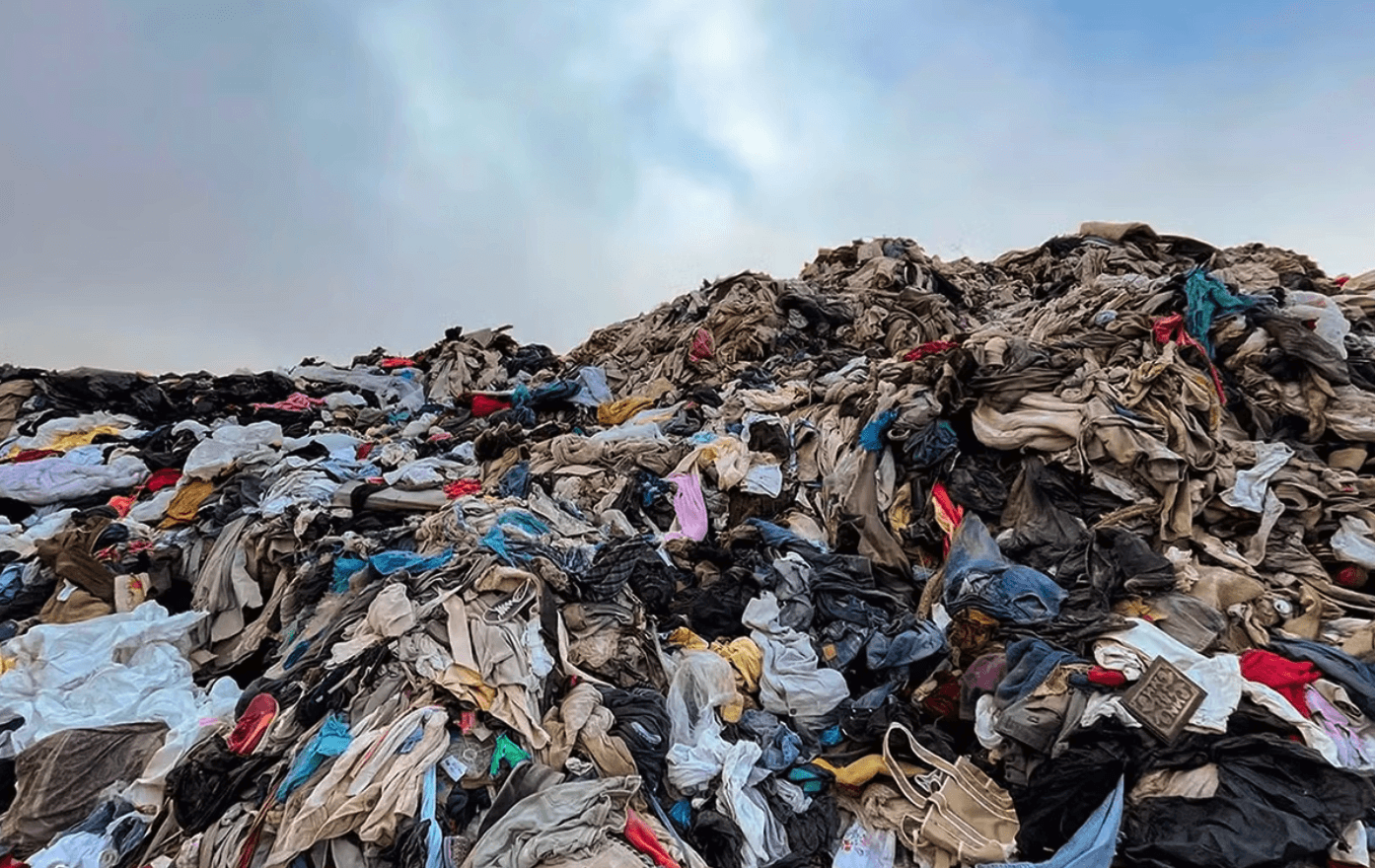
"Textile waste Credits: Martin Bernetti / AFP"
These landfills release methane gas, poison water ways and affect the already struggling communities even further. The saddest part is these garments end up in places that people contributed nothing to this mess, yet they are the ones who are forced to bear the burden.
If clothes don't break down naturally, every "sustainable" claim collapses. Because if a garment is made without considering what happens at the end of its life, it is not "sustainable" (whatever that means).
"Textile waste Credits: Martin Bernetti / AFP"
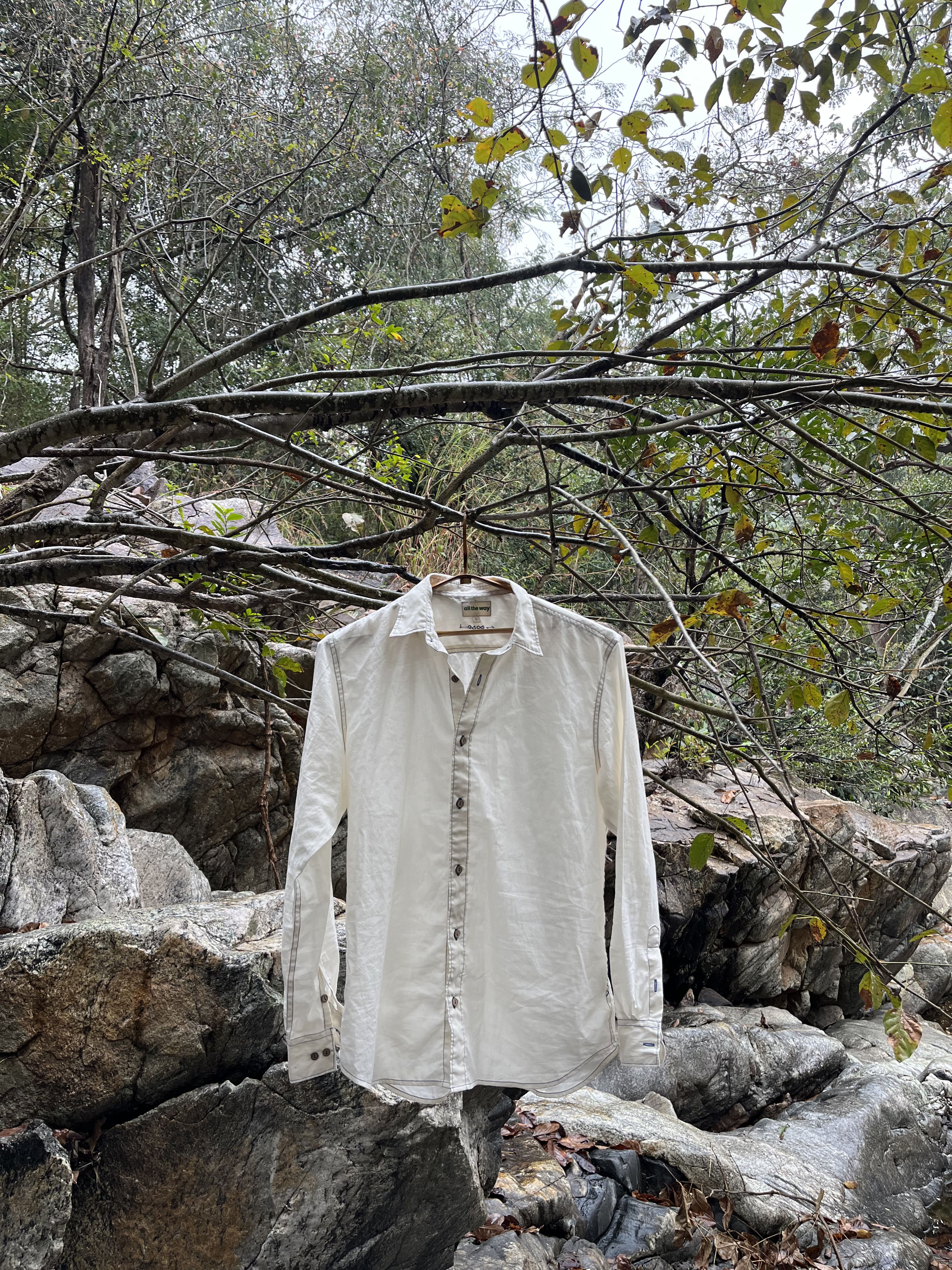
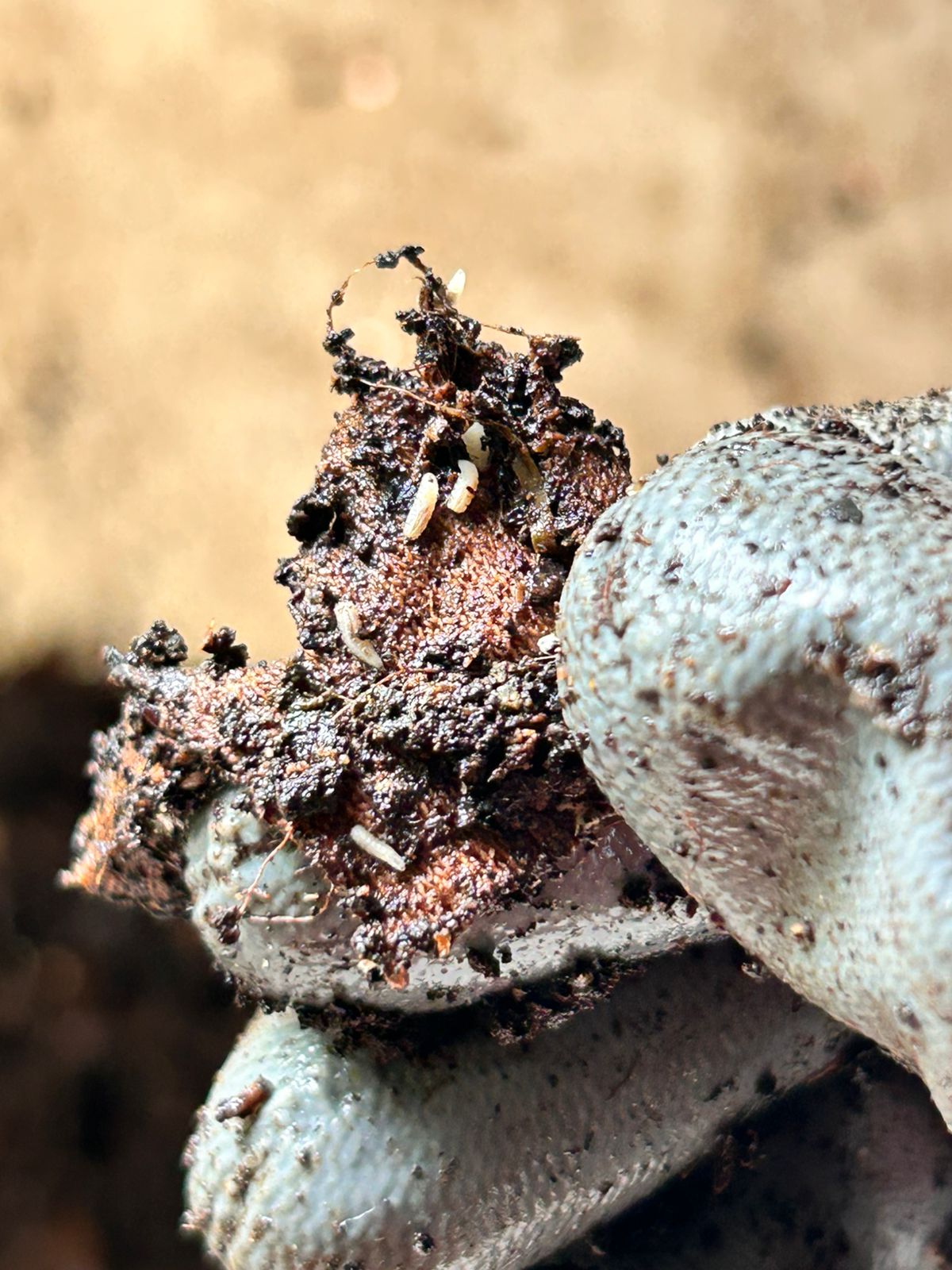
So we spent one full year in R&D perfecting our composting formula, real composting, not theoretical "biodegradability". Today, our clothes break down in 4–6 weeks, turning back into soil without leaving behind micro-plastics, synthetic or toxic residue.
"IN A WORLD FULL OF RECYCLING MYTHS, COMPOSTING IS THE ONLY FULL STOP."
Composting solves the fashion waste crisis at the root, literally. If a garment returns to the earth quickly and cleanly, it stops being a pollutant. And composting doesn't require advanced technology, segregated waste plants, or perfect consumers. All it needs is nature itself, and the intention to make it happen.